
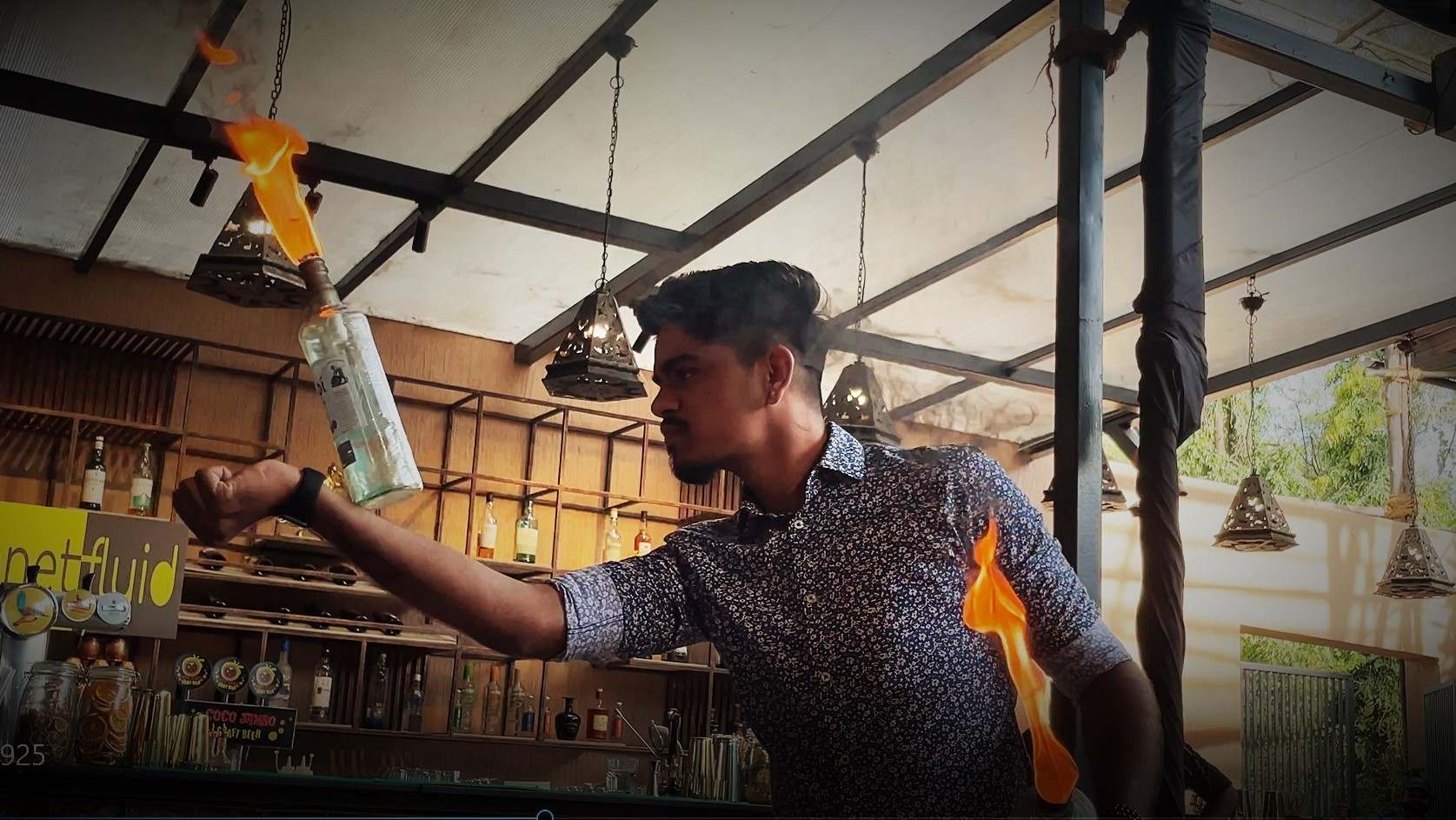
Bartending plays a crucial role in the food service industry for several reasons:
- Customer Experience
- Beverage Expertise
- Revenue Generation
- Entertainment
- Customization
- Atmosphere and Ambiance
- Workflow Efficiency
- Inventory Management
- Crisis Management
- Networking and Marketing
In summary, bartending is important in the food service industry because it contributes to the overall customer experience, revenue generation, customization, entertainment, atmosphere, workflow efficiency, inventory management, crisis management, and networking. A skilled bartender can have a significant impact on the success and reputation of a restaurant or bar.
Customer Experience
- First Impression: When consumers enter a restaurant or bar, bartenders are frequently their initial point of contact. The atmosphere for the entire dining experience is established by the first encounter. A welcoming and attentive bartender can immediately make guests feel at home and appreciated.
- Personalized Service: Bartenders have the chance to interact with customers one-on-one. They can elicit preferences, provide drink recommendations based on individual tastes, and design an experience that is tailored to the needs of each client.
- Menu Knowledge: An informed bartender can offer thorough details about the various drinks on offer, including ingredients, flavor profiles, and match recommendations. This knowledge improves clients’ entire eating experiences and enables them to make more educated decisions.
- Customization: Bartenders can make beverages that are tailored to the tastes, nutritional needs, and preferences of the customers. Customers may feel appreciated and cared for as a result of this level of customization, which can enhance their experience.
- Engagement and Interaction: Bartenders who interact with patrons in a nice manner foster a warm and social environment. Customers frequently appreciate talking with bartenders about different drinks, swapping tales, and feeling like a part of the neighborhood.
- Entertainment: Bartenders can entertain patrons by showcasing their flair bartending abilities or making visually stunning cocktails. This makes the dining experience more exciting and enjoyable and makes it unforgettable.
- Suggestion Selling: Knowledgeable bartenders can make recommendations for particular cocktails or deals that go along with a customer’s tastes. Customers may be exposed to new tastes and experiences through this kind of suggestive selling, which can increase their overall enjoyment.
- Efficiency: Bartenders are essential in controlling the volume of orders and making sure that beverages are made on time. A seamless dining experience is facilitated by efficient service, which keeps consumers from getting impatient during lengthy waits.
- Problem Resolution: Bartenders frequently possess good interpersonal skills and are prepared to deal with difficult circumstances, such as client complaints or problems. They have the power to transform a potentially negative encounter into a positive one by responding to issues swiftly and properly.
- Lasting Impression: The bartender and customer’s goodbye exchange can have an impact on the customer. Customers can feel valued and more inclined to return if they receive a cordial welcome, a heartfelt thank you, and an encouragement to come back.
In conclusion, bartending plays a vital role in shaping the customer experience in the food service industry. Bartenders who excel at providing personalized service, engaging with customers, offering menu expertise, and creating a positive atmosphere contribute significantly to customer satisfaction, loyalty, and the overall success of the establishment.
Also Read – How to become a certified professional bartender
Beverage Expertise
Bartending is important in the food service industry because of the specialized beverage expertise that bartenders bring to the table. Here’s why their knowledge in this area is crucial:
- Menu Enhancement: Bartenders select and design drink menus that go well with the available cuisine. They can create cocktails, mocktails, and other drinks that improve the overall dining experience thanks to their proficiency in mixing and combining beverages.
- Flavor pairing: Bartenders are familiar with the subtle differences between flavors, ingredients, and their interactions. They can make drink suggestions that harmonize with the flavors of the meal being served, giving clients a pleasing and well-balanced taste experience.
- Sensory Experience: A well-prepared drink’s aesthetic appeal, scent, and texture are just as important as its flavor. Drinks can be made by bartenders that have a thorough understanding of the various spirits, mixers, and garnishes to enhance the dining experience.
- Ingredient Knowledge: Bartenders are well-versed in the various spirits, liqueurs, wines, and mixers available. Customers can make informed decisions based on their preferences by learning about the ingredients used in their drinks from them.
- Cocktail Creation: Bartenders frequently experiment with new cocktail formulas to create distinctive and signature drinks for the venue. Their inventiveness gives the beverage menu a touch of novelty and excitement, enticing customers to try out other selections.
- Adapting to Trends: The beverage sector is constantly changing as a result of new trends, components, and methods. By providing creative and modern cocktail alternatives, bartenders who are on top of these trends may keep their establishments relevant and appealing to a wide range of clientele.
- Craftsmanship: Bartenders are experts in perfectly blending, shaking, stirring, and garnishing beverages. Their skillfulness helps the beverages they make have a consistent flavor and appealing appearance.
- Allergy and Dietary Knowledge: A lot of clients have food allergies or dietary limitations. All clients will have a safe and delightful experience thanks to bartenders who are aware of these worries and can make beverage recommendations that are in line with their requirements.
- Wine and Beer Expertise: Bartenders frequently have a thorough understanding of the various varieties of wines and craft beers, as well as each beverage’s unique qualities. They can help customers choose the best wine or beer to go with their meals thanks to their expertise.
- Upselling and Speciality Beverages: Bartenders might recommend expensive or speciality beverages to customers, increasing the establishment’s revenue. They are more enticing to clients because of their capacity to articulate the distinctive features of these services.
In summary, bartenders’ beverage expertise goes beyond simply mixing drinks; it contributes to the overall dining experience by enhancing flavor profiles, suggesting appropriate pairings, creating visually appealing drinks, accommodating dietary needs, and keeping up with industry trends. Their knowledge and creativity add value to the establishment and provide customers with a memorable and enjoyable beverage experience.
Revenue Generation
Bartending plays a vital role in revenue generation for food service establishments due to several key factors:
- Higher Profit Margins: When compared to food products, alcoholic beverages in particular have much higher profit margins. By upselling premium spirits, cocktails, and other high-margin beverages, bartenders help the establishment become more profitable overall.
- Cocktail Innovation: Customers looking for new and exciting experiences may be drawn in by bartenders’ abilities to produce distinctive and alluring cocktails. Increased demand may lead to higher prices for handmade creations or signature cocktails.
- Specialty Drinks: Bartenders frequently create unique drinks that go along with seasonal themes, occasions, or holidays. Customers looking to try something novel and special may be attracted by these limited-time offers.
- Happy Hour and Promotions: Bartenders are essential to putting happy hour promotions into action. Offering cheap drinks at certain times can draw more customers during slower times, increasing revenue during typically slow periods.
- Suggestion Selling: Knowledgeable bartenders can recommend upgrades, extra beverages, or add-ons to consumers depending on their tastes. This kind of suggested selling can raise average check amounts and help businesses generate more money.
- Bottle Service and Reserved Tables: Bartenders arrange these upscale services in businesses that provide bottle service or reserved tables. Customers seeking an exclusive experience may spend more money as a result of these products.
- Private Events: A lot of restaurants organize parties, get-togethers, or other private events. Additional revenue streams are generated by bartenders who can attend to these events with specialized drink menus and effective service.
- Wine and Beverage Pairing Events: Bartenders that are able to conduct wine or beverage pairing events provide consumers the chance to sample various beverages along with food options. These gatherings can draw a niche audience that is willing to pay for extraordinary experiences.
- Membership and Loyalty Programs: A few places provide membership or loyalty plans that grant members exclusive access to particular libations or events. Bartenders who can oversee and advertise these initiatives boost client involvement and return business.
- Beverage Experiences: Bartenders can charge patrons to participate in interactive drink experiences they design, such mixology workshops or taster flights. These interactions not only bring in money but also give customers unforgettable experiences.
In conclusion, bartending contributes significantly to revenue generation in food service establishments through its impact on sales of high-margin beverages, creation of specialty drinks, execution of promotions, suggestive selling, and participation in events that attract paying customers. Bartenders who excel at these strategies can enhance the financial success of the establishment while providing unique and enjoyable experiences for patrons.
Entertainment
Bartending is important in providing entertainment within the food service industry due to several engaging aspects of the profession:
- Flair bartending: Flair bartending is the practice of creating drinks while pulling off stunning stunts and demonstrations. Flavorful bartenders may attract patrons with their talents, fostering a visually appealing and lively environment.
- Aesthetics: Skilled bartenders understand how to present cocktails in an appealing way. Customers can enjoy a visual element that can be both amusing and Instagram-worthy with elaborate garnishes, inventive glassware, and vibrant cocktails.
- Interaction: Bartenders frequently converse and joke around with patrons. Through engaging conversations and exchanges, this contact not only improves the social component of the dining experience but also offers amusement.
- Storytelling: Bartenders who are informed about the antecedents and development of various spirits or cocktails can entertain clients by delivering amusing tales. These anecdotes provide the drinking experience depth and fascination.
- Mixology Demonstrations: A few places provide mixology lessons or shows where bartenders instruct guests on how to mix their own drinks. These sessions offer a fun and instructive component that promotes participation.
- Personalized beverages: Bartenders who are willing to create unique beverages based on patron preferences can make ordering drinks a fun, interactive experience that piques interest.
- Live Music and Events: A lot of taverns and eateries hold themed parties, live music nights, or other unique events. Bartenders frequently assist in organizing these events, which raises the overall amusement value for customers.
- Seasonal Offerings: Bartenders can design drink menus that coincide with special occasions, celebrations, or the ebb and flow of the seasons. For clients, these thematic products increase excitement and expectation.
- Trivia and Games: Some bartenders organize trivia events, contests, or other competitions that draw patrons in and foster a friendly, competitive environment.
- Mixology Competitions: To show off their abilities and originality to clients, bartenders might take part in or even host mixology competitions. These occasions draw interest and raise the level of entertainment.
In summary, bartending brings an element of entertainment to the food service industry through flair bartending, visual presentation, interactive engagement, storytelling, mixology demonstrations, live events, and more. Bartenders who go beyond simply serving drinks and actively contribute to the entertainment value of the establishment can attract a loyal customer base and enhance the overall dining experience.